
Tresor AI changelog
More control, stronger coding
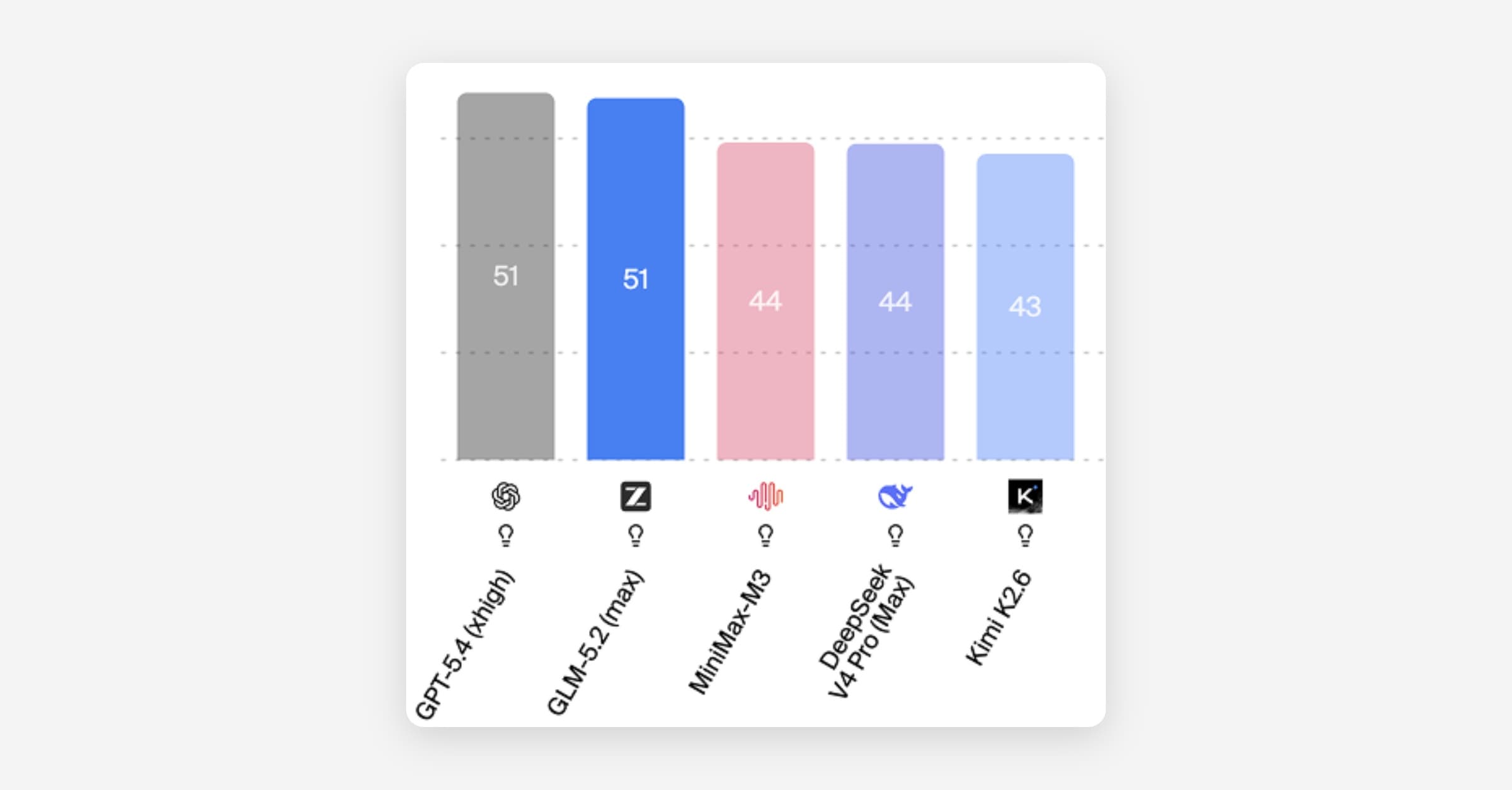
Two useful upgrades just landed in the Tresor API. You can now choose a custom timeout for each request, and you can now use GLM 5.2, a model that feels genuinely competitive for coding-heavy work.
If you build user-facing products, both updates matter for the same reason: you get more control over how your product feels, and more choice in how strong the output can be.
Set the pace for each request
The new custom timeout option gives you more control over the experience you want to deliver.
Fail faster when speed matters — For interactive features, you can stop waiting sooner and move to the next path instead of leaving users hanging.
Be more patient when the task is worth it — For deeper or longer-running work, you can allow extra time when better output matters more than immediate speed.
Tune the API to the job — The same API can now feel tighter for live experiences and more flexible for background workflows.
A serious new model for code
GLM 5.2 is now available in the API, and it is a strong addition for teams that do a lot of coding, refactoring, and debugging.
Strong coding capability — On coding-heavy tasks, GLM 5.2 feels in the same league as GPT 5.4 xhigh.
More choice without compromise — You have another high-end model to reach for when code quality is the priority.
Useful across mixed tasks — It also holds up well when a request needs code, reasoning, and a clear written explanation in the same response.
If you want a third-party snapshot of where it sits, Artificial Analysis has a useful comparison.
🔒 Privacy: Like every model and API feature on Tresor, these upgrades keep the same zero-access, sealed-environment design.
If you want tighter control over response timing or a new top-tier coding model to test, both are ready to use now.